Common Animals Removed by Professional Wildlife Control Services
Local wildlife control service providers can help remove common animals like raccoons, squirrels, bats, and birds that threaten property safety and health.
Individuals dealing with unwanted wildlife on their property often find themselves wondering which animals are most commonly removed by professional wildlife control services. Understanding the types of animals that frequently appear can help property owners recognize signs of intrusion and decide when expert assistance might be necessary. Whether it’s animals seeking shelter in attics, beneath decks, or within walls, local service providers are equipped to handle a variety of common wildlife intruders efficiently and humanely.
Property owners in the area may explore this topic to better understand the wildlife challenges specific to their neighborhood. Recognizing which animals are typically involved can also aid in prevention efforts and ensure that any removal process is handled safely and effectively. Local contractors specializing in wildlife control provide tailored solutions for these common issues, helping to restore comfort and safety to homes and businesses. Keep reading to learn more about the types of animals that are most often removed and how local experts can assist with humane wildlife management.
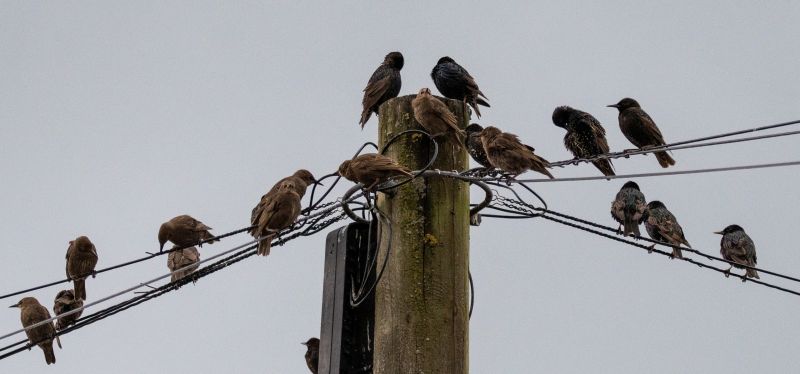
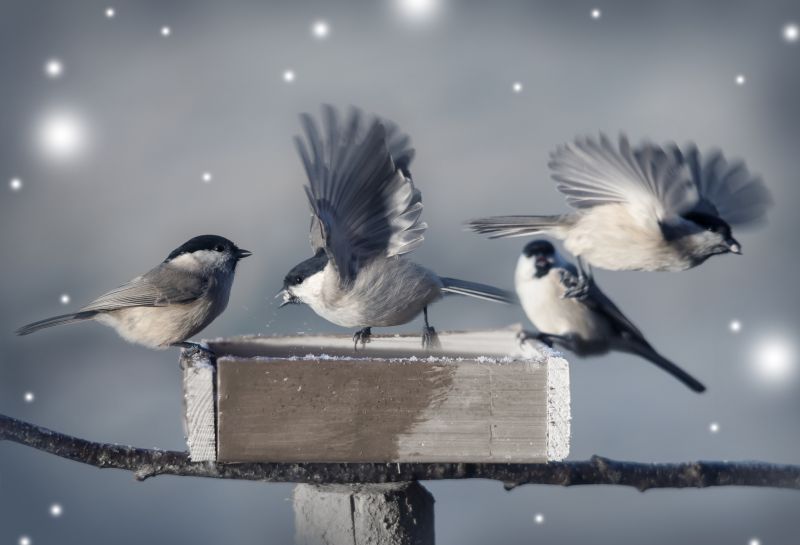
- Birds - when birds have nested in attics or on rooftops, local contractors use humane removal methods to safely relocate them.
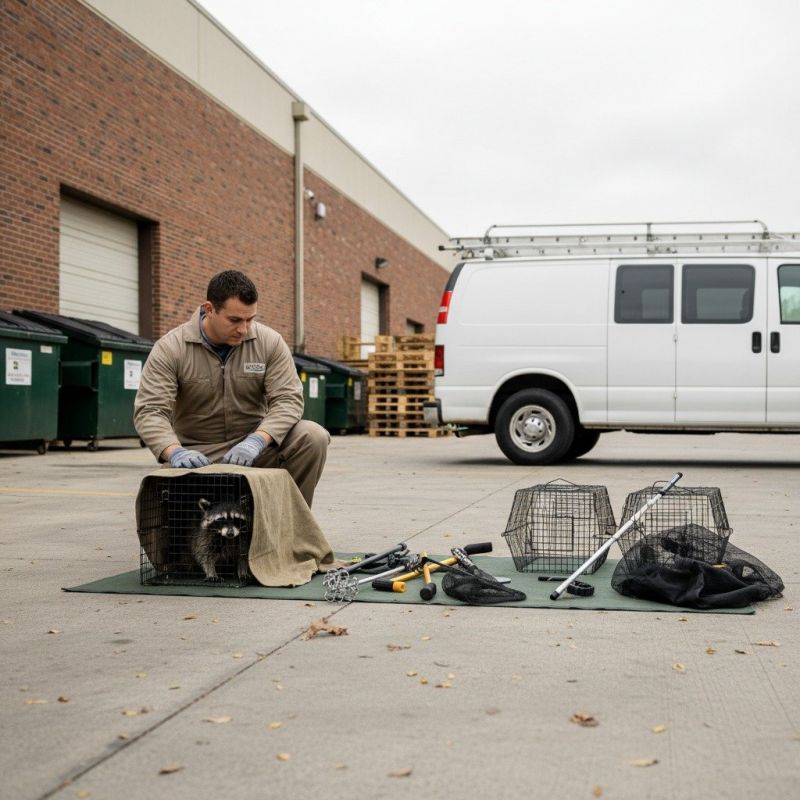
- Raccoons - if raccoons are rummaging through trash or nesting in crawl spaces, experienced wildlife control providers can handle their removal and exclusion.
- Squirrels - squirrels inside walls or attics require professional removal to prevent damage and ensure humane eviction.
- Skunks - when skunks invade yards or under porches, local service providers implement safe removal and odor control measures.
- Bats - bat colonies roosting in buildings are managed by pros who use humane exclusion techniques to safely remove them and prevent future entry.
When people search for information about common animals removed by professional wildlife control services, they are often seeking guidance on which animals might be causing issues on residential or commercial properties. These searches typically stem from concerns about animals invading living spaces, causing damage, or creating health risks. Homeowners may notice signs such as droppings, strange noises, or damage to insulation and structures, prompting them to look for expert solutions. The goal is usually to identify the animals involved, understand how they entered the property, and find effective, humane removal methods to resolve the problem.
The problems associated with these animals often involve property damage, safety hazards, or sanitation concerns. For example, animals like raccoons, squirrels, or bats can access attics, chimneys, or crawl spaces, leading to structural damage or contamination. Some animals pose health risks through the spread of parasites or diseases, making professional removal essential for safety. Property owners may also plan to prevent future invasions by sealing entry points or implementing deterrents, which local service providers can assist with. These projects require a clear understanding of the animals involved and the most effective removal and exclusion strategies.
Certain types of properties tend to attract or be affected by these common animals. Residential homes with accessible attics, basements, or vents are prime targets for raccoons, squirrels, and bats. Commercial buildings, especially warehouses or retail spaces with large roof openings or poorly sealed areas, can also experience infestations. Properties with nearby trees, water sources, or dense vegetation are more likely to encounter wildlife intrusions. Whether it’s a single-family house or a multi-unit complex, the presence of these animals often prompts property owners to seek professional help to address the issue comprehensively and prevent recurring problems.
Understanding which animals are most commonly removed by wildlife control services helps property owners grasp the scope of potential issues and the importance of expert intervention. Local contractors who specialize in wildlife removal are equipped to handle a variety of species, each requiring specific approaches for humane and effective removal. These professionals can assess the property, identify the animals involved, and develop tailored plans to eliminate the problem. Recognizing the types of animals involved and the typical property features that attract them makes it easier for homeowners to see how local service providers fit into the process of resolving wildlife conflicts and protecting their property.
Exclusion and Repair Projects - local contractors often handle building repairs and sealing entry points to prevent animals from re-entering structures after removal.
Attic Cleanup and Restoration - professionals can assist with cleaning and restoring spaces affected by wildlife activity, similar to removing animals from attics.
Wildlife Damage Inspection - experts evaluate property for damage caused by common animals and recommend appropriate repair solutions.
Rodent Control and Prevention - services include trapping, removal, and sealing to manage rodent infestations, which often overlap with wildlife removal tasks.
Bird Control and Deterrent Installation - local service providers can install bird deterrents and remove nesting sites to prevent future issues with birds.
Pest and Nuisance Animal Removal - general pest control providers often handle removal of various nuisance animals that may invade residential or commercial properties.
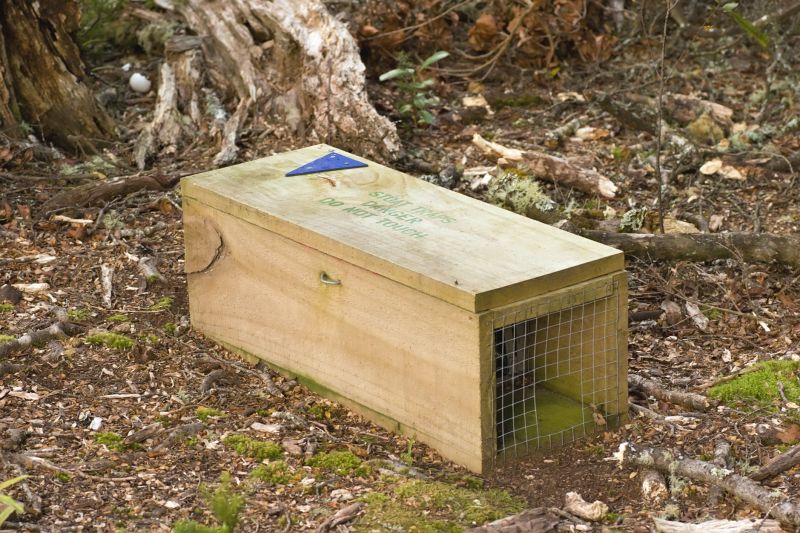
When evaluating wildlife control service providers for removing common animals, it is important to consider their experience with similar projects. Homeowners should inquire about the types of animals the local contractors have handled in the past and whether they have successfully addressed issues involving common animals such as raccoons, squirrels, bats, or birds. A contractor’s familiarity with these specific animals can indicate their ability to manage the unique challenges associated with their removal and exclusion. Additionally, understanding a provider’s track record with similar projects can help establish confidence in their ability to perform effective and humane wildlife control.
Clear written expectations are essential when choosing a wildlife control service. Homeowners should seek detailed descriptions of the scope of work, including inspection procedures, removal methods, and any follow-up services. Transparent communication about what the process entails helps ensure that everyone is on the same page and reduces the risk of misunderstandings. Reputable service providers often provide written estimates or agreements that outline these expectations, allowing homeowners to review and compare the services offered by different local contractors before making a decision.
Good communication and reputable references are key factors in selecting a wildlife control professional. Homeowners should look for providers who are responsive to inquiries and willing to answer questions about their experience, methods, and policies. Asking for references or reviews from previous clients can offer insights into the quality of service and reliability of the contractor. Effective communication helps establish trust and ensures that homeowners feel confident in the contractor’s ability to handle the removal of common animals safely and efficiently. Ultimately, choosing a provider with a strong reputation and clear, open communication can lead to a smoother process and satisfactory results.
Property owners often search for common animals removed by professional wildlife control services when they are planning practical projects around their homes and businesses. Local pros provide Wildlife Control services for everyday jobs and straightforward project options.
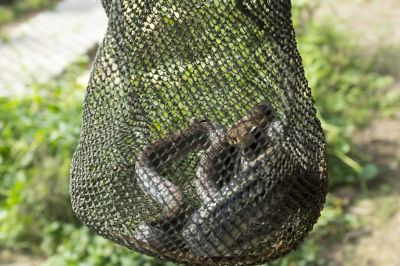
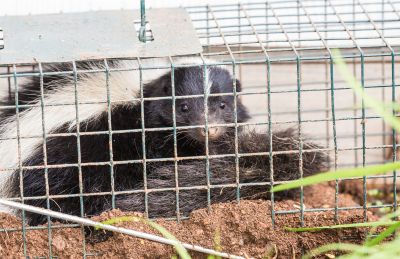
Many property owners in the area find themselves dealing with common animals that may enter homes or structures unexpectedly. Raccoons, squirrels, bats, and birds are among the most frequently removed animals by professional wildlife control services. These animals can cause property damage, create noise disturbances, or pose health concerns, prompting owners to seek the assistance of local contractors experienced in humane removal and exclusion methods. Understanding which animals are typically involved can help property owners determine when professional help might be needed to safely and effectively handle these situations.
In many cases, property owners look into wildlife control services when animals like raccoons nesting in attics, squirrels in wall cavities, or bats roosting in eaves are discovered. These animals often seek shelter in residential or commercial buildings, especially during certain seasons. Local service providers can offer solutions tailored to the specific animals involved, helping to remove them safely and prevent future entry. Consulting experienced wildlife control contractors ensures that the removal process adheres to humane practices and addresses the unique challenges posed by these common animals.
What are some common animals removed by professional wildlife control services? Typical animals include raccoons, squirrels, bats, skunks, and birds that may invade homes or properties.
Why do wildlife control services often handle raccoons and squirrels? These animals frequently enter attics, crawl spaces, or chimneys, causing damage and potential health concerns.
Are bats commonly removed by wildlife control professionals? Yes, bats often roost in buildings, and specialists can safely remove them while preventing future entry.
What types of animals are usually removed from yards or outdoor spaces? Common outdoor removals involve groundhogs, opossums, and sometimes stray cats or feral animals.
Do wildlife control services remove birds? Yes, birds such as pigeons, starlings, and swallows that nest in structures are frequently handled by local contractors specializing in bird exclusion and removal.
Identify common animal entry points - property owners can work with local contractors to inspect and seal gaps that allow animals like raccoons or squirrels to enter buildings.
Implement exclusion techniques - applying animal-proof barriers and one-way doors with the help of local service providers can prevent re-entry of removed animals.
Remove nesting sites safely - professional wildlife control services can assist in safely removing nests and debris created by animals such as bats or birds.
Establish ongoing prevention measures - consulting with local pros about regular inspections and maintenance can help keep common animals away over time.
If you are thinking about common animals removed by professional wildlife control services for a property, this guide is meant to help you understand this topic, the typical project types, and how different options might fit your plans.
When you are ready, you can use the quote form on this page to share a few details about your project. From there, local pros can review the basics and follow up with options that match what you have in mind.